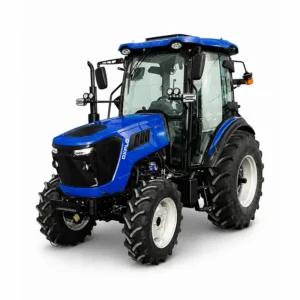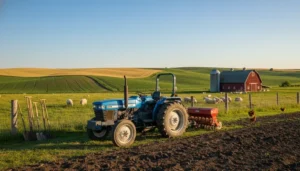
A 4WD tractor, in which all four wheels receive power, delivers better traction, stability, and mobility.
The benefits become more apparent as field conditions change. For example, soil that is wet and slippery after rains, as well as hilly terrain, demands steadier traction and control on slopes. In such conditions, 4WD limits wheel slip and converts more engine power into usable pulling force.
Without further ado, this article explains which farm tasks and terrain conditions are suited to 4WD tractors, along with the main points to consider when choosing one.
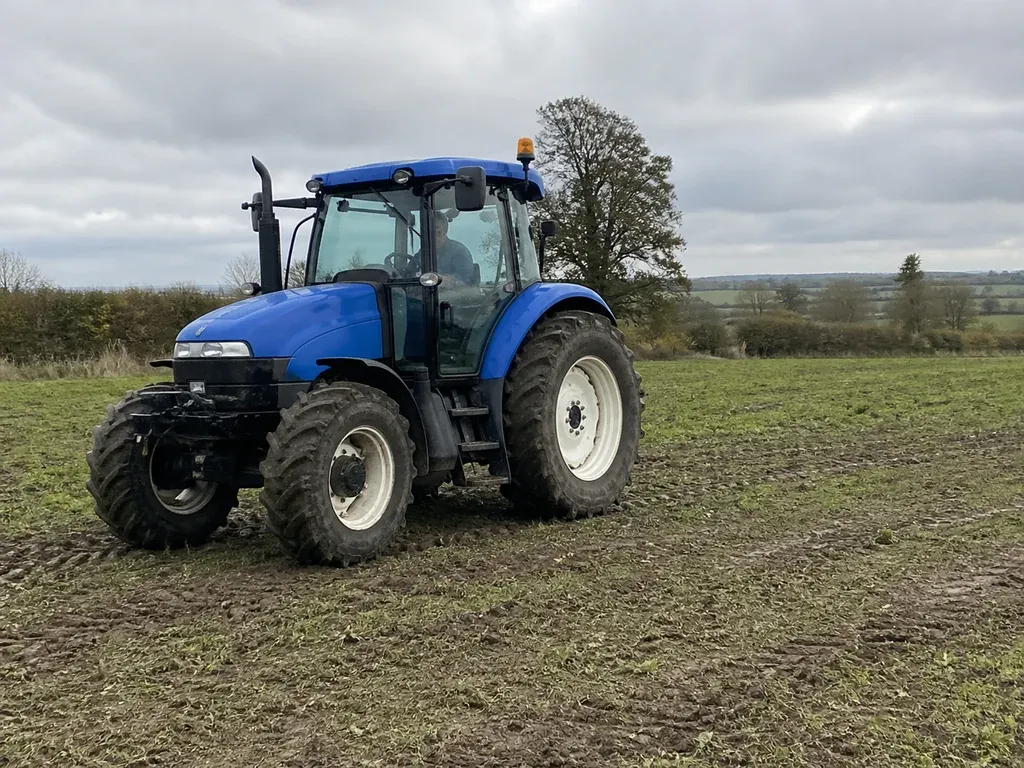
Farm Tasks Suited to 4WD Tractors
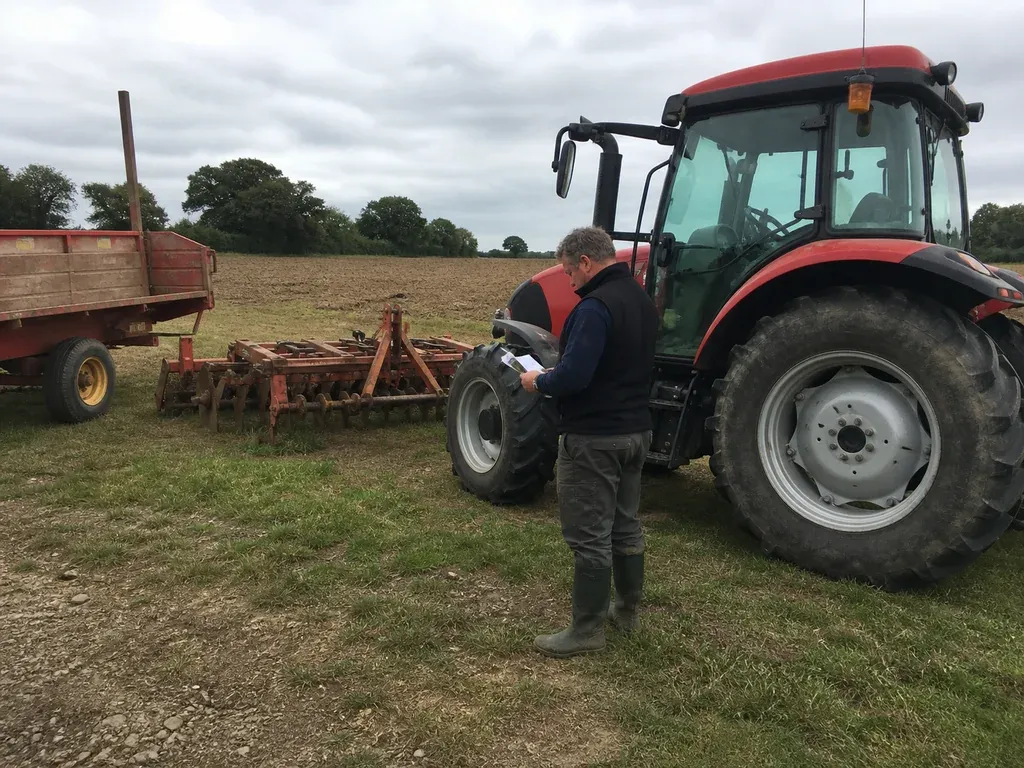
- Soil Preparation
Tasks: Plowing, deep tillage, harrowing and subsoiling
Typical conditions: Red or clay soils in Brazil’s Center-West, particularly after the rainy season when the soil has a high moisture content and becomes sticky
The value of 4WD:
- Power from both axles maintains steady traction in wet, sticky soil.
- Tillage depth remains more consistent without changes in working speed caused by soil resistance.
- Implements can continue operating across fields with uneven moisture levels or soil compaction.
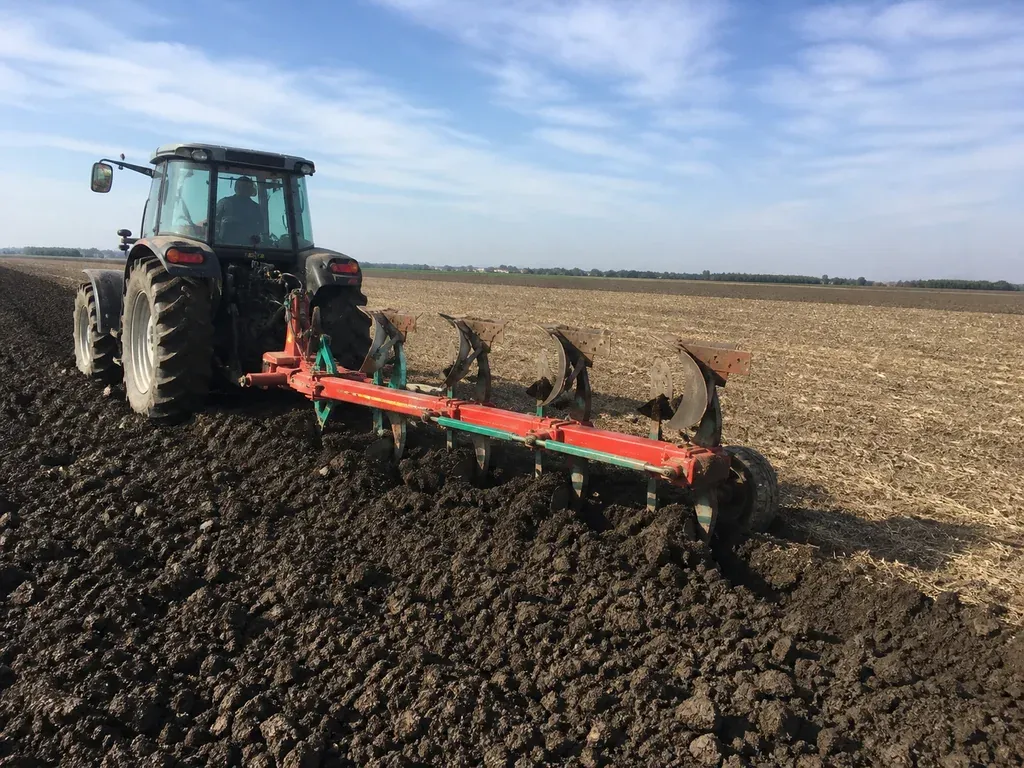
- Large-Scale Planting and Seeding
Tasks: Towing planters, planting row crops and seeding large fields
Typical conditions: Soybean and corn planting seasons with a short planting window
The value of 4WD:
- More even weight distribution makes the tires less likely to sink into loose topsoil.
- Steadier movement supports consistent planting depth and row spacing, contributing to more uniform emergence.
- Farmers have a better chance of completing fieldwork within the best planting window.
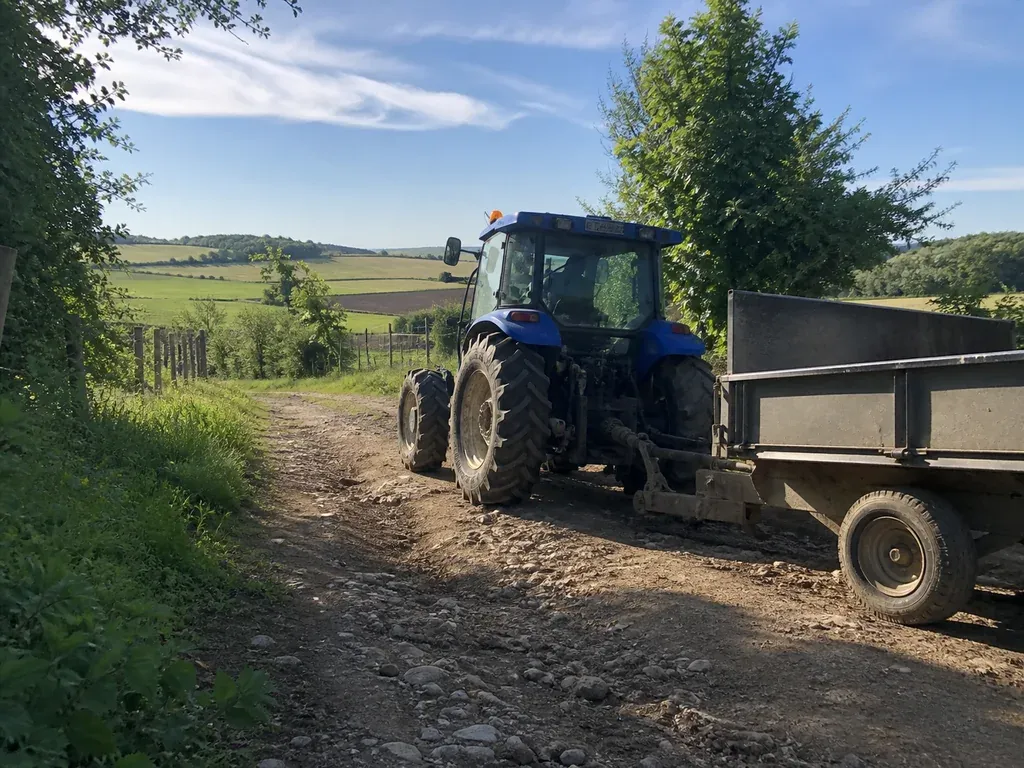
- Heavy Hauling and Equipment Towing
Tasks: Towing grain trailers, transporting silage feed and operating fertilizer spreaders
Typical conditions: Large farms with long transport distances and heavily loaded trailers
The value of 4WD:
- Both axles deliver stable traction during loaded starts and uphill travel.
- Fewer gear changes are required, anda steadier travel speed supports uniform fertilizer spreading.
- Better mobility on muddy field roads keeps materials moving efficiently around the farm.
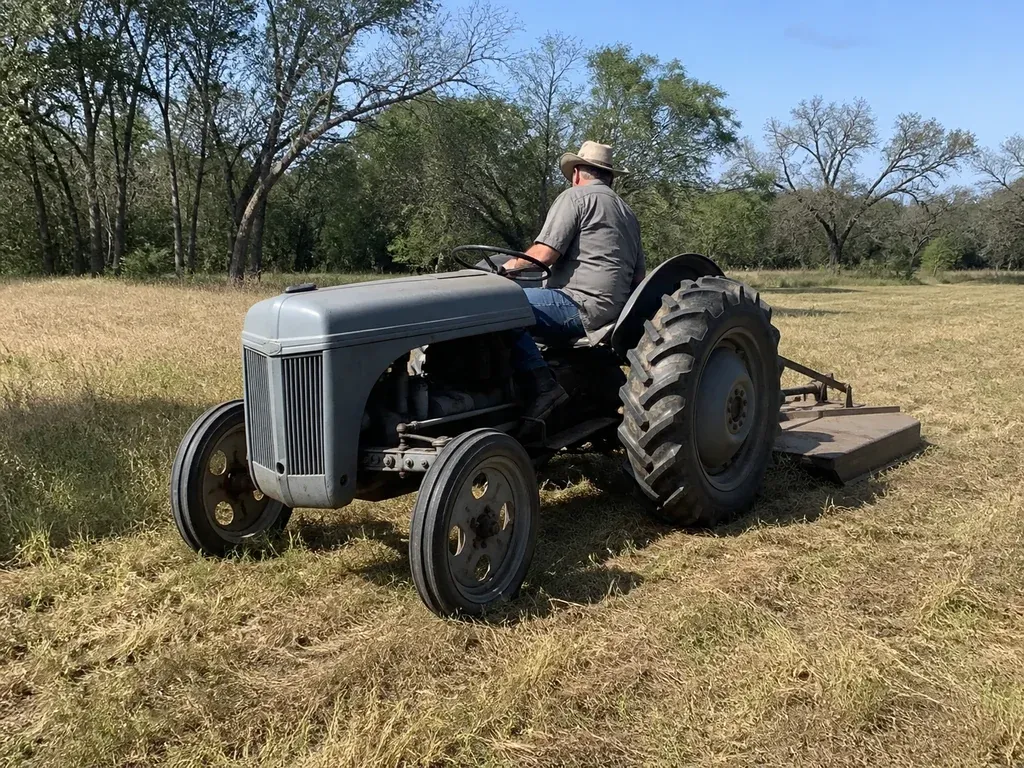
- Land Development and Farm Infrastructure Work
Tasks: Leveling land, digging ponds or drainage ditches, and maintaining farm roads
Typical conditions: Brazil’s Cerrado and newly cultivated northern areas, where dense vegetation, roots, gravel and uneven soil conditions are common.
The value of 4WD:
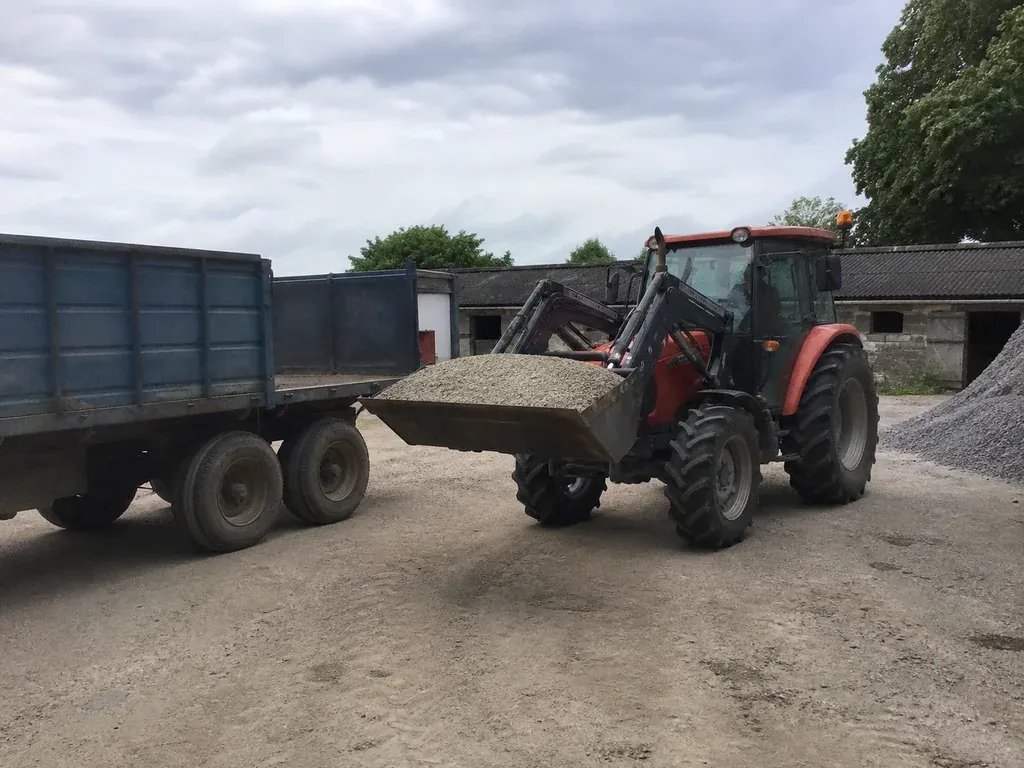
- When encountering localized obstacles, front-wheel traction assists the rear wheels in moving forward.
- Excavation, bucket and grading work can continue with fewer interruptions.
- Directional control remains steady on muddy or unpaved roads, even when the surface is uneven.
Terrain Conditions Suited to 4WD Tractors
The 4WD system also brings clear advantages under the following terrain conditions.
- Wet and Muddy Fields
Typical areas: High-rainfall agricultural regions in southern Brazil, rice-growing areas, and soybean or corn regions with concentrated rainy seasons
Main challenge: After rainfall, increased soil moisture reduces ground grip. The tractor’s driven wheels may slip, lowering traction and slowing fieldwork.
The value of 4WD:
- Driving both axles makes better use of the available grip.
- A steadier working speed reduces repeated passes and the resulting damage to soil structure.
- Easier directional control increasesthe driver’s operating comfort.
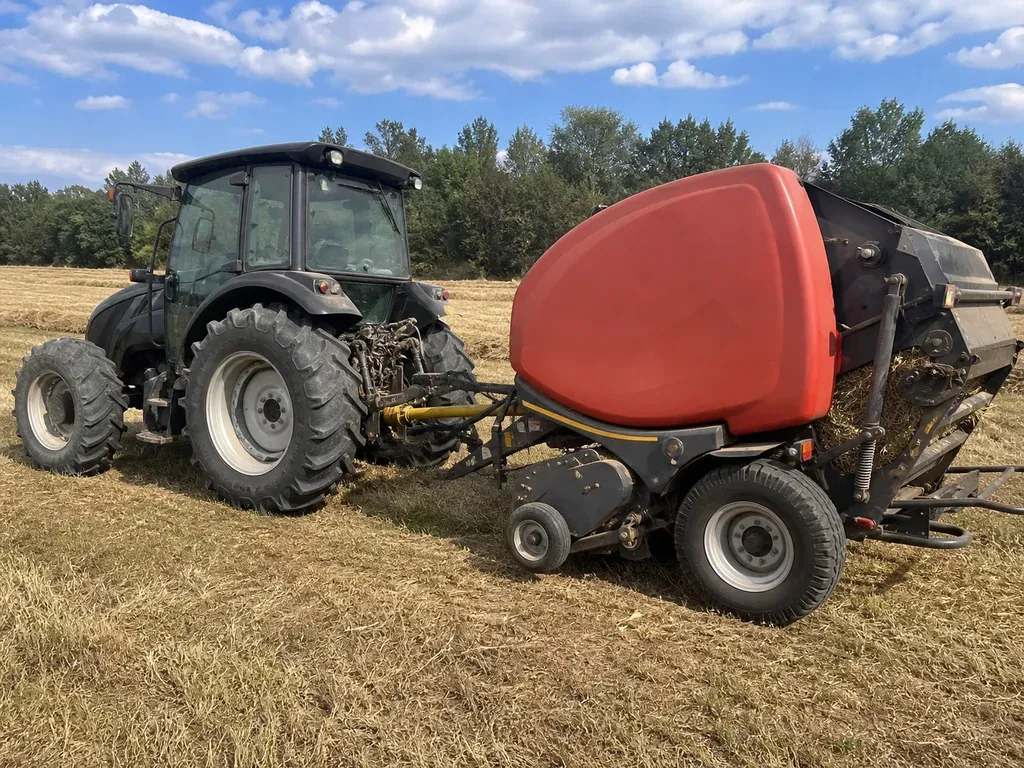
- Hilly and Sloping Farms
Typical areas: Coffee-growing regions in southeastern Brazil, some hilly agricultural areas, and the rolling farmland of southern Brazil
Main challenge: Sloping ground may reduce grip and increase the risk of side slipping.
The value of 4WD:
- Front and rear drive maintain sufficient traction on slopes.
- Front-wheel traction improves directional correction.
- Engine braking makesdownhill travel steadier and easier to control.
- Soft Ground and Low-Lying Areas
Typical areas: Agricultural land near rivers, low-lying fields and farmland bordering wet areas
Main challenge: Soft ground tends to cause tires to sink, making travel difficult and sometimes bringing work to a stop.
The value of 4WD:
- The front wheels pull and guide while the rear wheels continue to drive, reducing excessive sinkage at a single axle.
- The tractor moves more quickly through soft ground, improving operating efficiency.
- During drainage ditch excavation and pipe-laying work, the 4WD tractor maintainsstable traction on loose backfill.
What Should You Consider before Buying a 4WD Tractor?
4WD tractors offer clear advantages in difficult terrain and high-traction applications. But they have higher purchase and maintenance costs, so you do have to consider your farm’s specific requirements.
Before buying a 4WD tractor, ask yourself:
- Terrain: What proportion of the farm is sloping? Are any fields affected by seasonal waterlogging? What condition are the field roads in after rain?
- Workload: Does the tractor regularly pull heavy plows, large grain trailers or wide planters? How many hours of heavy-duty work are completed each year?
- Working window: Is the period of suitable weather short and limited? (In Brazil’s Center-West, for example, the soybean planting window may be only around 20 days.)
- Maintenance capacity:The engine and front axle require regular inspection and oil changes. Is there an authorized service station nearby, and are commonly used wear parts readily available?
- Economic return:When the annual working area exceeds 500 hectares, savings in fuel and operating time can usually cover the additional purchase cost of a 4WD tractor.
Choosing a 4WD Tractor for Brazilian Farming Conditions
Brazilian farms operate across varied conditions, from large, level fields to hilly growing regions and from dry seasons to periods of heavy rainfall. Tractors must therefore handle a wide range of operating challenges.
Four-wheel drive improves traction, stability and mobility during tillage, planting, transport and land development. This feature can reduce the disruption caused by changing weather and terrain.
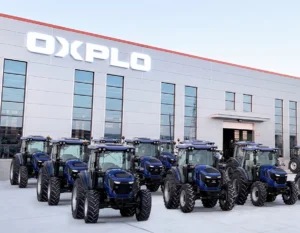
Need a 4WD tractor for your farm and property? The OXPLO offers 4WD tractors in several horsepower ranges and configurations for different crops and production regions across Brazil. Click here to learn more about our tractors and find the model that fits your fieldwork best.