
Brazil has one of South America’s most mechanized agricultural sectors and strongest markets for farm equipment. Its farming landscape ranges from broad plains to rolling hills, while production covers both annual field crops and perennial cash crops.
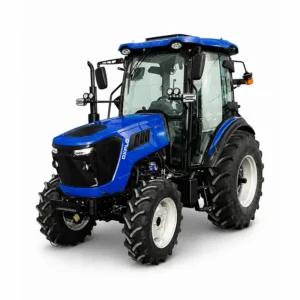
In such a varied agricultural system, 4WD tractors offer clear advantages that two-wheel-drive machines cannot readily match. The following sections examine where 4WD is most useful and how it supports the production of Brazil’s major crops.
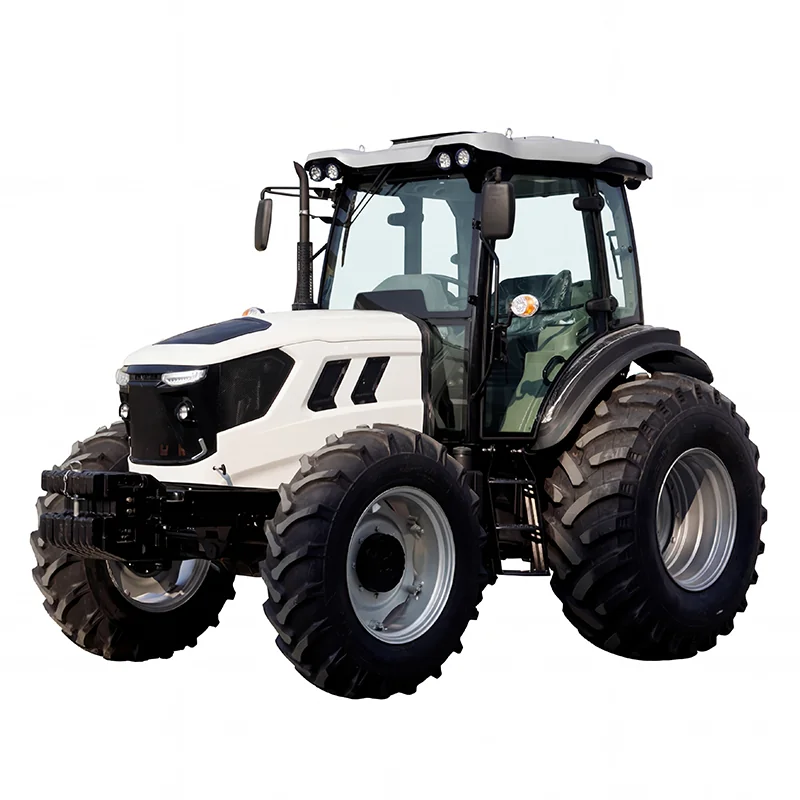
- Soybeans
Soybeans are one of Brazil’s most important agricultural exports. Production is highly mechanized and typically covers large areas.
Main Tractor Tasks
- Operating plows and subsoilers for primary tillage, deep loosening and seedbed preparation
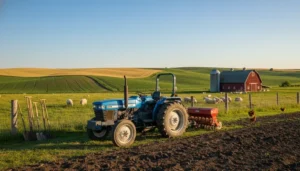
- Pulling planters across large fields at a steady speed and consistent planting depth
- Managing crop residue, maintaining soil conditions and preparing for the next season
Why 4WD Matters
Large fields, high implement loads and concentrated planting windows define soybean production. A 4WD tractor can:
- Deliver stronger pulling force for farm implements
- Reduce power losses when operating large planting equipment
- Maintain a steady pace across the field
For commercial soybean farms, the consistent traction of a 4WD tractor is well suited to intensive, continuous fieldwork.
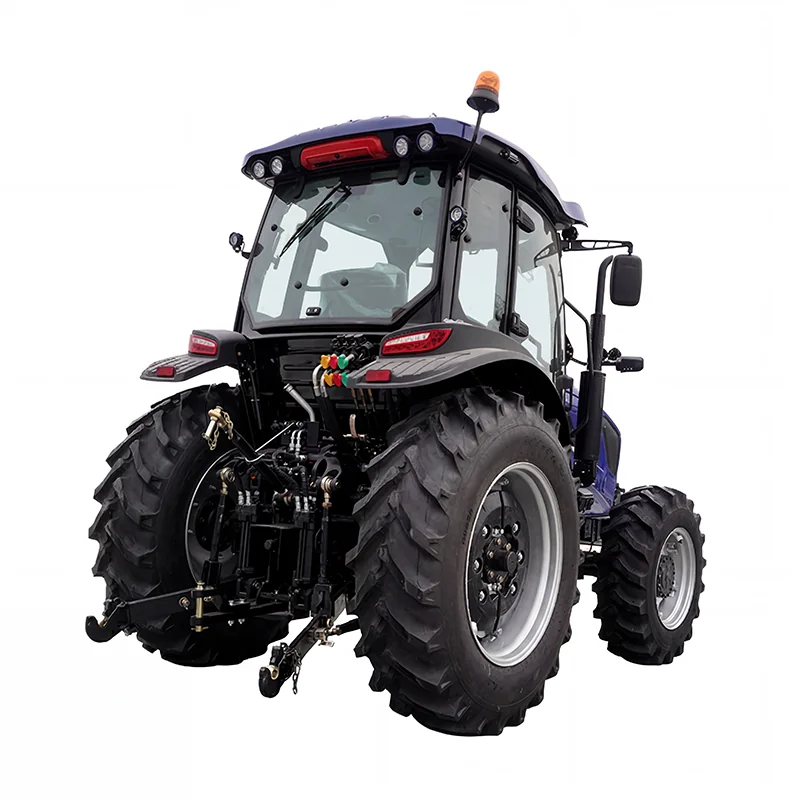
- Corn
Corn in Brazil is often grown in rotation with soybeans, with planting beginning after the soybean harvest. This approach improves land use but leaves limited time for planting.
Main Tractor Tasks
- Planting: Haulingcorn planters for accurate seed placement
- Crop management: Applying nutrients with fertilizer equipment
- Field maintenance: Supporting crop protection and residue management
Why 4WD Matters
Under a crop rotation system, the short planting window is one of the main challenges. A 4WD tractor can:
- Maintain better grip as soil moisture changes
- Reduce delays caused by wheel slip
- Keep the planter working continuously
Where reliable planting performance is essential, 4WD provides more consistent power delivery.
- Coffee
Brazil is one of the world’s largest coffee producers. Many coffee-growing areas are located on hilly terrain instead of open plains. This means variable slopes and limited row spacing are common.
Main Tractor Tasks
As a perennial crop, coffee requires regular management throughout the year. Tractors are mainly responsible for:
- Between-row maintenance: Weed control and soil care
- Fertilizer handling and application
- Crop protection: Towing sprayers for pest and disease control
- Harvest transport: Moving coffee fruit and other materials during the harvest season
Why 4WD Matters
Coffee farms need more than engine power alone. Tractor control across difficult terrain is equally important. In this setting, 4WD can:
- Improve stability on slopes
- Increase mobility across wet or slippery ground
- Adapt more effectively to uneven surfaces
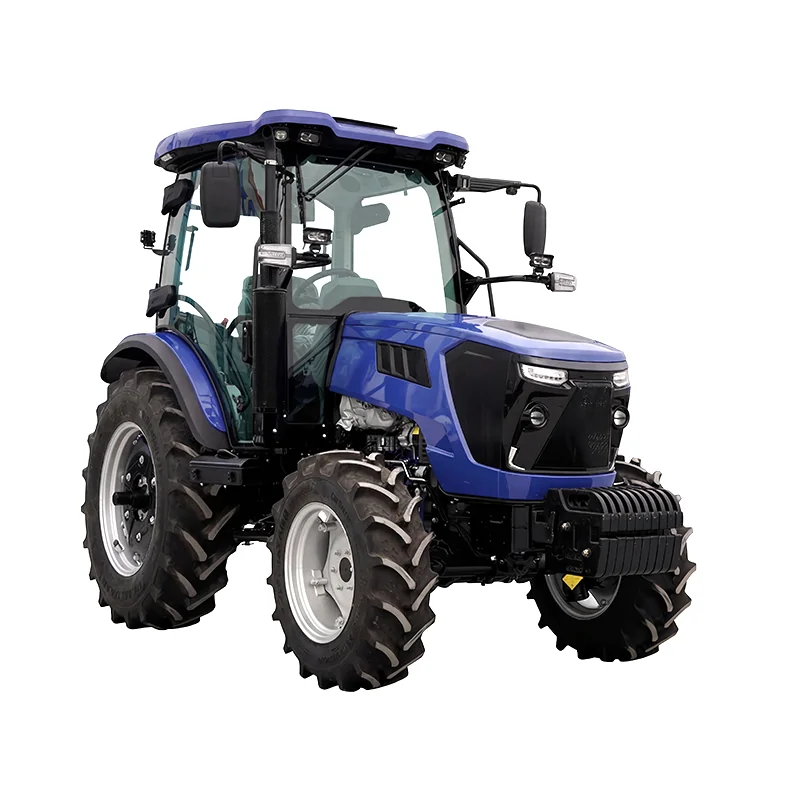
Depending on row spacing and terrain, compact or mid-sized 4WD tractors are suitable for hilly coffee plantations.
- Sugarcane
Brazil is one of the world’s largest sugarcane producers. The crop supplies both sugar and ethanol production.
Main Tractor Tasks
- Preparing the land before planting
- Applying fertilizer and maintaining the spaces between rows
- Managing ratoon crops after harvest
- Transporting materials within the field
Why 4WD Matters
Sugarcane has a long production cycle, with field management continuing through each stage. A 4WD tractor can:
- Handle different tasks throughout the growing cycle
- Work with a range of farm implements
- Maintain steady operation in moist soil
This makes a 4WD tractor a versatile machine for sugarcane management.
- Cotton
Cotton production in Brazil is highly mechanized. This sector places considerable demands on equipment for soil preparation and field management.
Main Tractor Tasks
- Pulling plows, harrows and other implements for subsoiling and seedbed preparation
- Operating precision planters to support consistent planting density and efficient fieldwork
- Applying fertilizer and supporting crop protection
- Managing crop residue and preparing the land after harvest
Why 4WD Matters
Soil preparation before cotton planting often involves heavy workloads. A 4WD tractor can:
- Maintain continuous pulling power
- Operate heavy agricultural implements
- Keep land preparation moving efficiently
On cotton farms with demanding tillage requirements, a 4WD tractor can serve as the primary field machine.
- Citrus
Brazil is a major citrus producer, with São Paulo as its main production region.
Main Tractor Tasks
- Orchard floor management: Between-row weed control and soil maintenance
- Crop nutrition and protection: Fertilizer application, pest and disease control
- Harvest and transport: Moving fruit and other materials around the orchard
Why 4WD Matters
Citrus orchards often combine limited working space with uneven ground. Under these conditions, 4WD can:
- Improve mobility within the orchard
- Increase operating stability on difficult surfaces
- Support different orchard management tasks
A dedicated 4WD orchard tractor can meet the space and versatility requirements of citrus production.
Conclusion
4WD is not limited to heavy soybean and corn operations. In coffee plantations and orchards, its consistent traction also matters when the ground becomes uneven or difficult.
When choosing a tractor, however, consider the crop, working conditions, drivetrain and machine configuration together. This is essential to finding equipment that remains suitable over the long term.
To learn more about the applications of different horsepower ranges and tractor models, contact the OXPLO team for professional selection advice.